
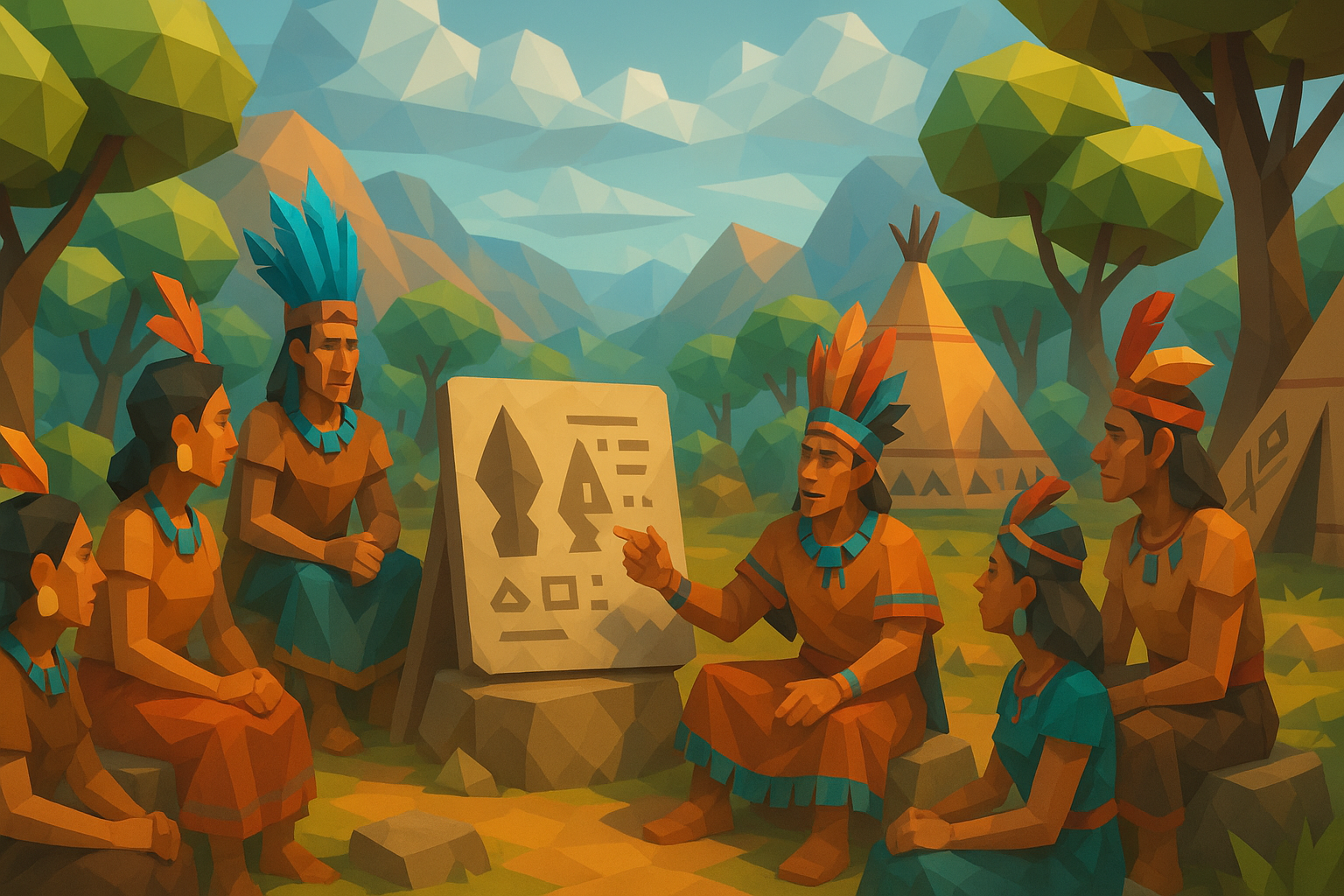
When it comes to 4X strategy games, the emphasis typically lies on dominating opponents through sheer military might or clever economic maneuvers. Yet, Triberion, a low-poly, turn-based strategy game, offers a fresh twist by elevating the cultural aspect to a core strategic element. It’s a game where founding a tribe and guiding it into a thriving civilization means more than expanding borders or accumulating wealth; it involves nurturing a culture that can stand the test of time.
Unlike many of its counterparts, where cultural aspects often take a backseat to buildings and battles, Triberion places culture front and center as a viable path to victory. Players can opt to develop their tribe’s cultural influence, crafting a distinctive identity that permeates every decision. This focus on cultural progression challenges players to think beyond conventional military or economic strategies, fostering a nuanced gameplay experience that appeals to a wide range of strategic thinkers.
The Role of Culture in Strategy
Why is culture important in a strategy game like Triberion? While military units and economic prowess can lead to immediate advantages, culture offers subtle yet profound long-term benefits. A culturally robust tribe can influence others not through force, but through ideas, arts, and diplomacy. This creates a dynamic interplay between different tribes, where victory can be achieved by being the beacon others gravitate toward rather than merely overpowering them.
In Triberion, you have the ability to shape the cultural narrative of your civilization by exploring various cultural developments within the game’s tech trees, giving your tribe unique advantages that might not be apparent at first glance. Unlike other 4X games, where tech trees often lead directly to new units or structures, Triberion encourages the exploration of technologies that enhance cultural elements and diplomatic skills. This not only enriches the gameplay but also diversifies the strategies players can employ.
Diverse Tribes, Unique Paths
Another compelling aspect of Triberion is its array of 36 distinct tribes, each led by a historical or culturally inspired figure. These tribes are not mere facsimiles of one another with basic cosmetic differences; instead, each comes with unique units and characteristics that offer specialized advantages in gameplay. Whether you choose a tribe known for its trade acumen, martial prowess, or artistic legacy, each path is equally viable, making the choice of tribe a strategic decision in itself.
The procedural generation of the world means that no two games are alike, further emphasizing the need for adaptability and cultural resilience. As players explore new lands, settle cities, and interact with other tribes, they must consider how their cultural values and practices can influence both allies and adversaries.
For those interested, more insights about the game’s mechanics can be found on triberion, where the game’s developers delve into how various cultural and strategic choices interweave to create a dynamic and immersive experience.
Culminating in a Cultural Victory
Aiming for a cultural victory in Triberion requires a blend of strategic foresight and adaptability. Players must cultivate their tribe’s influence, amassing cultural points through achievements in the arts, sciences, and diplomacy. Unlike a straightforward military conquest, a cultural victory is about weaving a tapestry of influence that spans across borders and hearts.
Ultimately, Triberion is not just about building an empire; it’s about the narratives you create along the way. Your tribe’s stories, values, and legacies become the foundation upon which your civilization’s future is built. This emphasis on cultural depth enriches the game’s experience, inviting players to see strategy not merely as a series of calculated moves, but as an art form.